
A category that does not exist here: the quasi-drug
In Japan, a skincare product can belong to one of three families: ordinary cosmetics, medicines, and an intermediate category called 医薬部外品 (iyakubugaihin), translated as “quasi-drug”.
That wording is not a marketing argument. It means the product contains an active ingredient recognised by the Japanese Ministry of Health, at a defined concentration, for a specific effect — acting on dryness, blemishes or pigmentation, for example. In return, the manufacturer is only allowed to claim that one effect, in tightly framed terms.
This is why a Japanese label is often plainer than a European one: what may be written is limited. When you see 医薬部外品 on a box, you are holding a product whose claim has been reviewed.
Sun protection: read the PA, not just the SPF
SPF measures protection against UVB, the rays that burn. UVA rays, for their part, pass through clouds and window glass and play a role in skin ageing — and SPF says nothing about them.
For this, Japan uses the PA rating, from PA+ to PA++++: the more plus signs, the higher the UVA protection. A Japanese sunscreen therefore shows two figures, for example SPF50+ / PA++++, and it is the second one that really tells products apart.
The textures follow suit: in Japan, a daily sunscreen is worn under make-up, all year round. Hence those fluid, almost watery formulas that are rarely found elsewhere.
Lotion, emulsion, serum: the words do not mean the same thing
This is the most frequent source of confusion. In a Japanese routine:
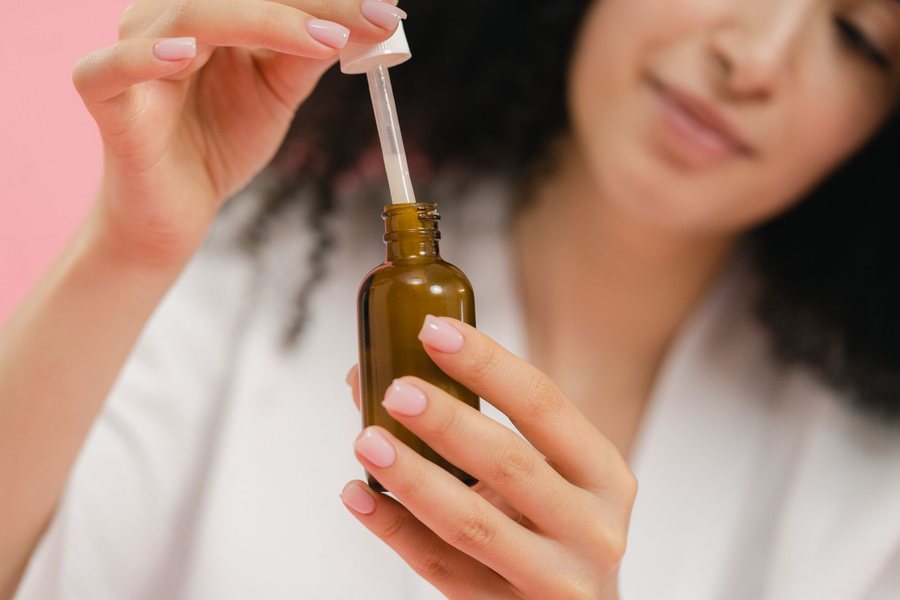
- 化粧水 (keshōsui, “lotion”) — a water to apply after cleansing, to rehydrate the skin. It is not an astringent toner, and it is not a make-up remover.
- 乳液 (nyūeki, “emulsion”) — a light milk that comes after the lotion, to hold in the water you have just added.
- 美容液 (biyōeki, “serum”) — the targeted product, more concentrated.
The usual order runs from the most fluid to the richest: cleansing, lotion, serum, emulsion or cream, then sun protection in the morning. Many people who find Japanese products “too light” are in fact using only one step out of three.
Double cleansing
Two products, one after the other. First a cleansing oil or balm, which dissolves what is oily: make-up, sunscreen, sebum. Then a water-based foam or gel, which removes what is water-soluble: sweat, dust, residue from the first one.
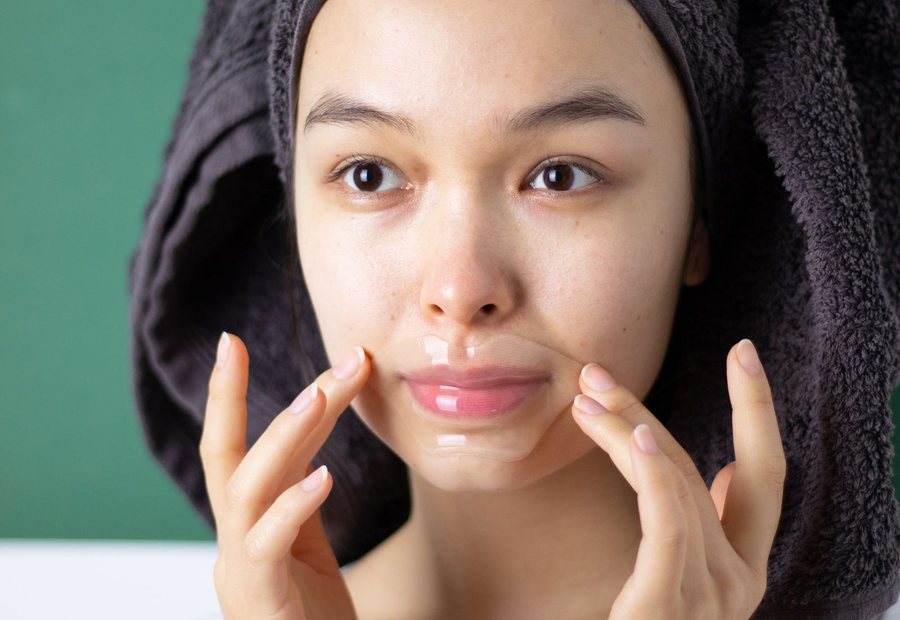
The logic is simple — water alone does not lift a water-resistant sunscreen. That, indeed, is why double cleansing took hold in Japan at the same time as the daily use of sunscreens.
What this changes when you buy
A few useful reflexes in front of a Japanese product:
- Look for the 医薬部外品 wording if you want a regulated active ingredient.
- On a sunscreen, look at the PA as much as the SPF.
- Check which step the product belongs to — a Japanese “lotion” does not replace a cream.
- Be wary of “export” versions: the same brand sometimes sells different formulas depending on the market.
It is precisely for this last point that we import directly from Japan: the products we sell are the ones sold to customers in Japan, in their original formula and packaging, Japanese label included.
Where to start
If you are new to Japanese cosmetics, the Skin Care and Make-up sections are the easiest for a first try, with brands very widely available in Japan such as Curél, Canmake Tokyo, Cezanne or Shiseido. The Hair, Men and Accessories sections round out the routine.
Share this content